
Warming up properly is one of the simplest ways to lift with better control and reduce the chance of soreness. Many people rush through their warm up or skip it completely, which can affect how well they move once the weights get heavier. When your muscles and joints are not prepared, every rep can feel harder than it needs to be.
A good warm up only takes a few minutes and helps your body handle the demands of strength training. It raises temperature, improves mobility and prepares your nervous system for stronger movement. With a clear routine to follow, you can start each session feeling stable, ready and more confident for your lifts.
Why Warming Up Matters
Warming up helps your muscles, joints and nervous system prepare for strength training. When your body is stiff or cold, movements can feel unstable, and this makes heavier lifts harder to control. A short warm up creates a smoother transition into your session so you can move with better coordination.
Raising your temperature improves how efficiently your muscles contract. It also supports joint mobility, allowing you to move through each exercise with safer range. Activation drills further improve stability by engaging areas like your hips, core and shoulders.
Preparing your body in this way lowers the chance of tightness or poor technique during training. With these foundations in place, your lifts feel more controlled and consistent.
1. Light Movement
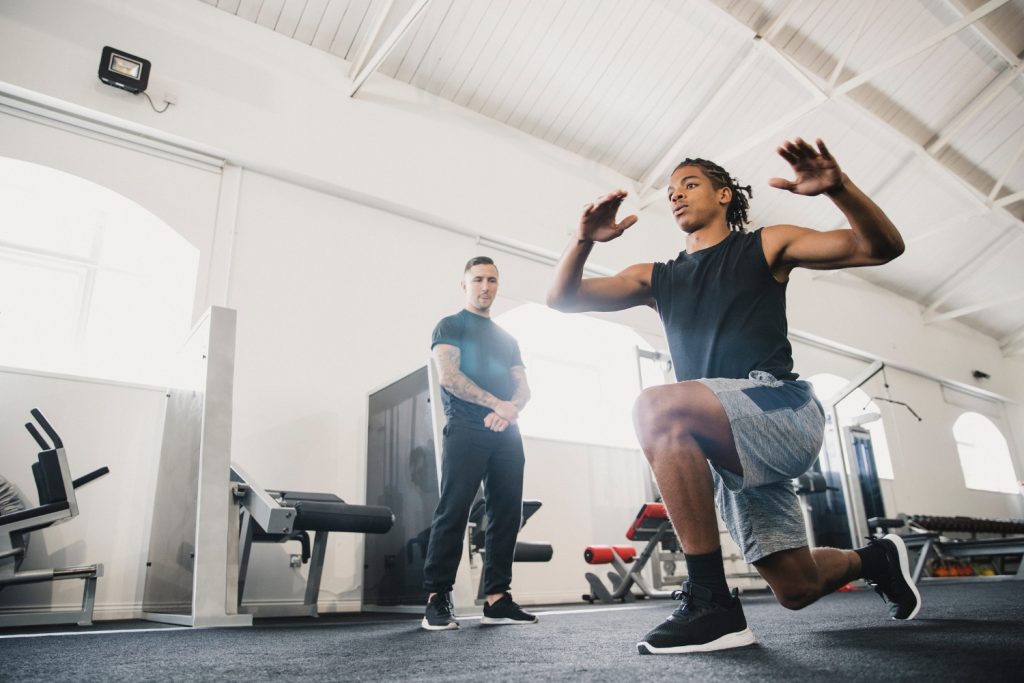
Light movement is the first step in preparing your body for strength training. This phase increases circulation, eases stiffness and helps you transition from rest to activity. It should feel comfortable and steady, not rushed or intense. One to two minutes is usually enough to wake up your muscles and joints.
You can choose any low impact option that gets your body moving. Common choices include light rowing, slow jogging on the spot, air bike pedalling or marching with arm swings. These movements help your body warm up without adding unnecessary fatigue.
Starting with light movement sets the pace for the rest of your routine and allows your body to adjust before moving into more specific preparation.
2. Dynamic Mobility
Dynamic mobility helps your joints move through the range needed for strength exercises. This step prepares tight areas, improves movement quality and supports better control once the weights increase. It should feel smooth and comfortable rather than forced. Aim for movements that match the exercises you plan to train.
Helpful mobility options include leg swings, hip circles, arm circles, thoracic rotations and controlled squats without weight. These movements loosen the hips, shoulders and upper back, which are areas often affected by stiffness.
Dynamic mobility is most effective when performed with slow, steady motion. This approach gives your joints time to adjust and helps you move into your session with better alignment and confidence.
3. Muscle Activation
Muscle activation prepares the areas that support your main lifts, helping you move with better stability and control. This step focuses on muscles that commonly switch off during long periods of sitting or inactivity, such as the glutes, core and upper back. When these muscles are active, your technique feels stronger and more balanced.
Effective activation exercises include glute bridges, banded lateral steps, planks, deadbugs, scapular retractions and banded shoulder drills. For tailored guidance on performing activation correctly, you can also learn from experienced personal trainers in Medowie who specialise in strength preparation and safe movement.
Activation works best when you choose two or three exercises that match the movements you plan to train. This approach helps your body stay stable during lifting and supports safer, more consistent technique throughout your session.
4. Movement-Specific Warm Up Sets
Movement-specific warm up sets prepare your body for the exact lifts you are about to perform. This step reinforces technique, helps you find your rhythm and ensures each joint is ready for the full range of motion. These sets should feel smooth, controlled and free from strain.
For squats, begin with bodyweight, then use an empty bar before increasing weight gradually. For bench press, start with an empty bar and build up in small jumps. For deadlifts, warm up with a light kettlebell or an empty bar to practise your hinge.
The goal is to move with confidence before you reach your working weight. Each warm up set should take you one step closer to strong, stable lifting.
Simple Warm Up Template You Can Repeat
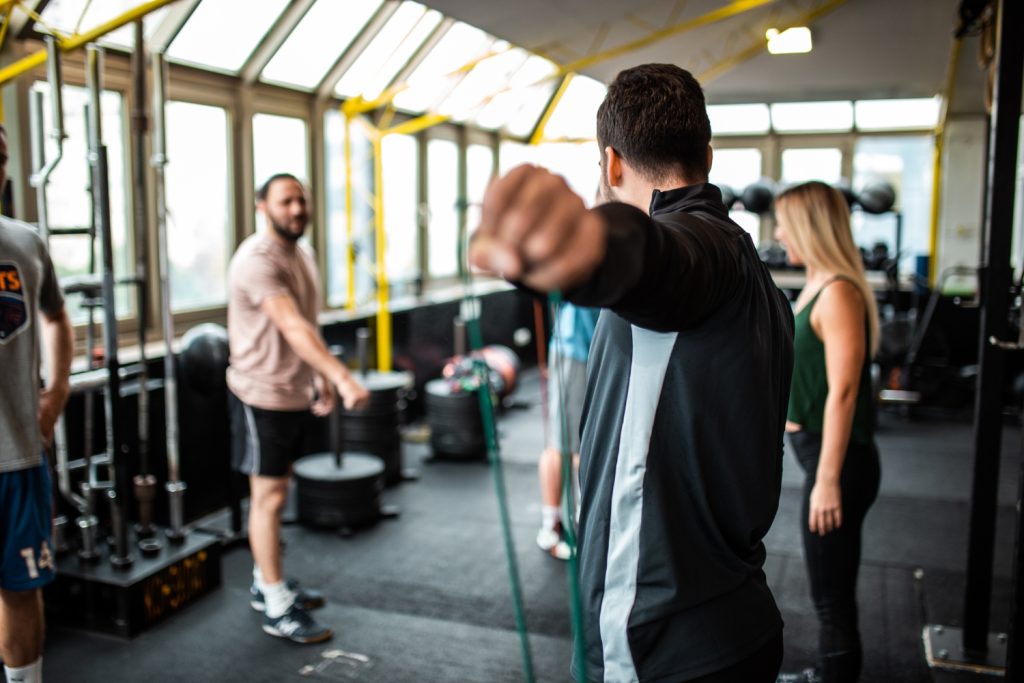
A warm up works best when it is simple enough to follow before every session. This short routine covers light movement, mobility and activation without adding extra fatigue. It takes only a few minutes and prepares your body for most strength exercises.
Start with one minute of light movement such as slow jogging on the spot or gentle rowing. Follow with leg swings, hip circles and a few controlled squats to loosen your joints. Then choose two activation exercises, such as glute bridges and planks, to engage key muscles.
Finish with one movement-specific warm up set for your first lift of the day. This routine helps you begin your session feeling stable and ready to lift.
Warm Up Tips for Better Lifting
A warm up should feel steady and controlled, not rushed or tiring. Small adjustments can make your routine more effective and help you move with better technique throughout your session. Keeping your approach simple ensures you stay consistent.
Helpful warm up tips include
- Spend extra time on areas that feel tight
- Use smooth, controlled movement rather than fast repetitions
- Increase intensity gradually as your body gets warmer
- Avoid long static stretches before heavy lifting
- Choose warm up exercises that match the movements in your session
These tips support safer lifting and help you enter your main sets with better stability and confidence.
Train Better With Medowie Fitness
At Medowie Fitness, we help members build safe and effective training habits that support long term progress. A structured warm up is a simple way to move with more control and lift with better confidence in every session. Our coaches guide members through warm up routines, mobility work and technique so they can train with purpose.
If you want support with warm ups, strength technique or building a consistent routine, our team is here to help. You can view our training options and coaching support through our fitness programs.
FAQs
How long should a warm up take before lifting?
Most warm ups take three to five minutes, depending on your session.
Should beginners warm up differently?
Beginners can follow the same structure but may benefit from extra mobility work.
Can warm ups improve lifting technique?
Yes. Activation and controlled movement help maintain better form during strength exercises.
Is static stretching needed before strength training?
No. Static stretching is better placed at the end of your workout.
Do warm up sets need to increase in weight?
Yes. Increase in small steps to help your body adjust before reaching working weight.