
We’ve all felt it, haven’t we? You waltz into a spin class, the beats kick in full throttle, and you’re geared up to push those pedals like there’s no tomorrow. But then as you move through the hill climbs and flat-out sprints, it dawns on ya that just spinning your legs isn’t going to cut the mustard.
This isn’t just about breaking a sweat; doing it with proper form is where it’s at.
No need for stress, mate—you’re in good company here! Alongside many mates who love a good fitness challenge, we’ve been scratching our heads trying to work out how to really get the most from our time on the bike.
What if I told you that nailing your cycling posture could dodge those nasty injuries and help torch extra kilojoules? After diving headfirst into research and taking notes from top-notch pros, we’ve put together an ace guide packed with tricks of the trade to pump up your pedalling prowess.
Our upcoming blog post will steer you through 10 cracking tips for stepping up your spin game. We’ll let you in on little-known hacks for maintaining top-notch form on the saddle, savvy moves before even setting foot in class, plus rhythm-riding tactics that mesh perfectly with those killer tunes! Keen for a dose of pedal-powered zeal? Let’s jump onto those bikes and get moving!
Key Takeaways
- Engage your core, add resistance, and maintain a neutral position to optimise your spin bike workout for better results.
- Familiarise yourself with spin lingo to understand instructor cues and maximise your spinning workout performance.
- Arrive early for stretching, focus on individual progress, utilise clips for safety, avoid faking it and maintain proper form to improve your spin class performance.
7 Soul Cycle Secrets for Proper Form on a Spin Bike
Engage your core for stability and power during the ride. Add resistance to challenge yourself and build strength in your legs. Maintain a neutral position to avoid unnecessary strain on your back and neck.
Focus on proper positioning to ensure an effective workout. Control your sprints to avoid injury and maintain control of the bike. Utilise your core muscles during climbs for improved endurance and strength.
Engage your core
We need to keep our tummy muscles tight while riding a spin bike. This helps us stay balanced and makes the workout better. Think of it like holding your belly in as if you’re putting on a pair of tight jeans.
It’s not just about looking good; this also stops you from hurting your back and helps with pedal pushing power.
Next, let’s talk about resistance. It’s all about making the ride feel like we’re going up a hill or racing through a flat road. Adding more will make our leg muscles work harder and get stronger over time.
Add resistance
To further enhance your spin bike workout, it’s crucial to add resistance. This increases the intensity of your ride and makes for a more effective workout. By adding resistance, you engage more muscles, particularly in your lower body, boosting the overall benefits of your cycling session.
Additionally, increasing resistance helps to build strength and endurance while preventing any unnecessary strain on your joints.
Remember that proper form includes aligning your body correctly as you adjust the resistance level. This ensures an efficient use of energy and maximises the impact of each pedal stroke.
Maintain neutral position
To further enhance your spin bike workout, it’s crucial to maintain a neutral position during the ride. By doing so, you ensure that your body is optimally aligned and balanced on the bike, reducing the risk of strain or injury.
Maintaining this posture also allows you to engage core muscles effectively and maximise your overall performance during each class.
Finding that perfect neutral position not only enhances comfort but also boosts efficiency in engaging various muscle groups throughout the workout. This technique is an essential element for improving speed, endurance, and power while pedalling through those challenging classes.
Proper positioning
Proper positioning on a spin bike is crucial for optimising your performance and preventing injury. Engaging your core muscles and maintaining a neutral position will help you stay stable and balanced as you ride, ensuring that you get the most out of each pedal stroke.
Additionally, aligning your body correctly on the bike can also improve your overall spin class experience, allowing you to push through sprints with more power and climb with greater efficiency.
Remember that finding the right posture not only enhances your workout but also reduces the risk of strain or discomfort after class. Pay attention to your form by staying neutral, aligning yourself properly, and engaging those core muscles – it’ll make a world of difference in achieving better results from each spinning session.
Controlled sprints
During controlled sprints in spin class, remember to maintain proper form and avoid leaning too far forward. Engage your core muscles to support your body and focus on pushing and pulling through the pedals evenly.
Find the right balance between speed and resistance, paying attention to your RPM guidelines for an effective workout. Controlled sprints with added resistance can help build strength and improve overall performance, keeping you aligned and engaged throughout the session.
By aligning our bodies properly during controlled sprints, we maximise our spinning workout results while reducing the risk of injury. Utilising the core muscles during sprints helps us maintain good posture and stay on beat with the music, enhancing our cycling technique for success.
Utilising the core during climbs
During climbs, it’s crucial to engage the core muscles for stability and strength. With each pedal stroke uphill, your core muscles take on a key role in keeping you upright and balanced.
As you push through the resistance while climbing, your abdominals, obliques, and lower back work together to maintain proper form and power. By consciously activating these core muscles during climbs, you can increase your pedalling efficiency and endurance.
Additionally, engaging your core helps prevent putting excessive strain on your arms or shoulders during intense climbs.
Tips for a Successful Spin Bike Workout
Choose a good bike that suits your body type and comfort level. Properly set up the bike to ensure correct positioning and reduce the risk of injury. Familiarise yourself with spin lingo to better understand
the instructor’s cues during the class.
Choose a good bike
Selecting the right spin bike is crucial for a successful workout.
The bike should be comfortable and adjustable to fit your body properly, helping you maintain proper form and avoid strains or injuries.
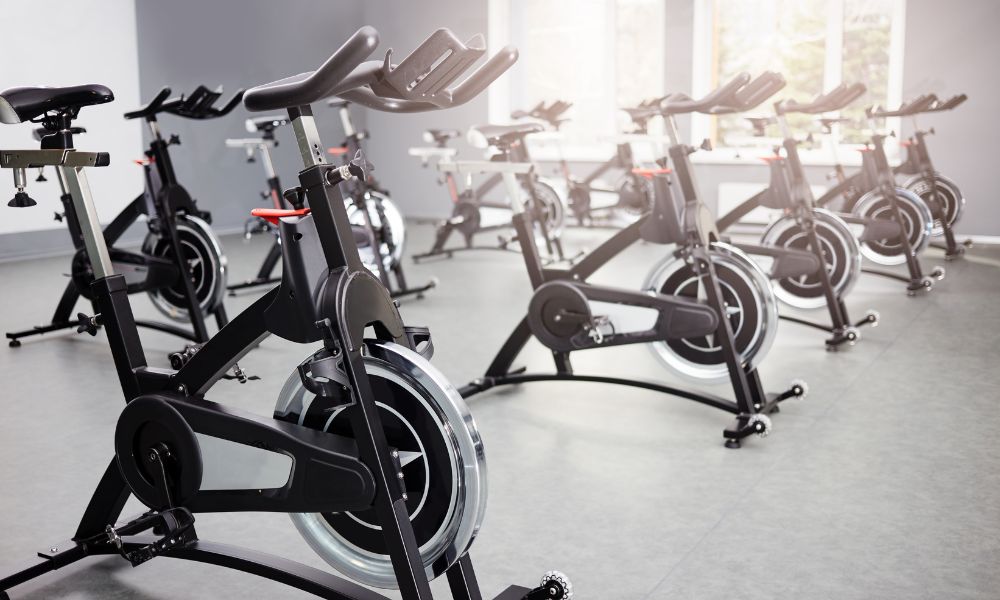
Look for features such as adjustable seat height, handlebar positions, and pedal clips to ensure a secure and efficient ride.
Evaluate the quality of the bike’s resistance system as it directly impacts your workout intensity. A good spin bike will offer smooth adjustments in resistance levels to accommodate various cycling techniques and fitness goals effectively.
Proper bike setup
After selecting a good bike, it’s essential to ensure proper bike setup for an effective spinning workout. Here are the essential steps for setting up your spin bike:
- Adjust the seat height so that when one pedal is at the lowest point, your leg is almost fully extended but with a slight bend in the knee.
- Position the handlebars so they are slightly higher than the seat for a comfortable and upright posture.
- Check that the distance between the seat and handlebars allows for a straight back and arms that aren’t overly stretched.
Familiarise with spin lingo
Understanding spin lingo is crucial for a successful indoor cycling experience. It’s essential to know terms like RPM, which refers to the speed of your pedalling, and resistance, representing the level of difficulty on the bike.
Familiarising yourself with these terms helps you effectively follow instructions in class and adjust your workout intensity as needed. Being aware of hand positions like first position (hands at the centre), second position (hands on the corners) and third position (standing up with hands slightly forward) will ensure proper form during different phases of your ride.
As a fitness enthusiast, being familiar with spin lingo gives you an advantage in understanding instructor cues and maximising your spinning workout performance. Understanding these terms can make your indoor cycling experience more enjoyable and productive.
10 Ways to Improve Your Spin Class Performance
Arrive early for stretching, focus on individual progress, utilise clips for safety, avoid faking it and maintain proper form. Join us to discover more techniques to improve your spin class performance!
Arrive early for stretching
Getting to your spin class a little early gives you the chance to ease into your workout. It helps in preparing our bodies for the coming sweat session and minimises the chances of injury or cramping during intense rides.
Stretching before spinning is essential as it warms up muscles, improves flexibility, and prepares us mentally for the upcoming workout. It is one of those quick wins that can enhance our performance on the bike and make sure we get the most out of each pedal stroke.
Focus on individual progress
We all have our unique fitness journey, so it’s essential to focus on our own progress during spin class. As we pedal through the intense intervals and climbs, remember that the only competition is with ourselves.
By staying true to our RPM guidelines and maintaining proper form, we can push ourselves further and achieve personal growth in each session. It’s all about finding that perfect balance between speed and resistance, engaging our core muscles, and setting achievable goals for self-improvement.
Let’s keep striving for small victories with a positive outlook as we work towards maximising our spinning workout results.
Utilise clips for safety
Before we start spinning, let’s make sure to use clips for safety. Clips keep our feet securely attached to the pedals, preventing slipping or losing control during class. This provides a safer and more efficient workout experience by allowing us to fully engage our leg muscles without worrying about foot placement.
Using clips also helps maintain proper form, which is essential for maximising performance and preventing injuries. So, let’s remember to always utilise clips for safety every time we hop on our spin bike.
Avoid faking it and maintain proper form
To improve your spin class performance, it’s important to avoid faking your effort and focus on maintaining proper form. Engaging the core, adding resistance, and staying in a neutral position are crucial for getting the most out of each session.
By avoiding shortcuts and ensuring proper form, such as aligning your body correctly and utilising core muscles during climbs, you can optimise your spinning workout for better results.
Proper form not only boosts your performance but also prevents injuries and allows you to fully engage in the varying intensity of workouts. Maintaining good posture, finding the right speed over resistance balance, and paying attention to RPM guidelines contribute significantly to a successful spin bike workout.
Utilise core muscles
When you ride on a spin bike, engaging your core muscles is crucial. It helps in stabilising your body and maintaining proper form. Engaging these muscles also improves your balance and reduces the risk of injury.
Adding resistance to the spin bike ensures that your core muscles are activated as they work harder to power through each pedal stroke. This engagement strengthens your core over time, allowing for better performance and endurance during your spinning workout.
So remember, engage those core muscles for a more effective and safe ride!
Find the right speed over resistance balance
Utilising our core muscles helps in maintaining control and stability during our spin bike workout. It’s important to find the right balance between speed and resistance. By knowing our RPM (Revolutions Per Minute) guidelines, we can ensure that we are pushing ourselves effectively without sacrificing form or risking injury.
This balance helps us improve our spinning performance and maximise the results of our indoor cycling workout, leading to a successful and fulfilling fitness journey.
Know your RPM
To maximise your spin class performance, it’s crucial to know your RPM. Maintaining the right speed over resistance balance is key to a successful spinning workout. Understanding your RPM, or revolutions per minute, helps you gauge your cycling intensity and tailor it to achieve optimum results.
This knowledge allows you to find the sweet spot between exertion and efficiency during sprints, climbs, and steady-state riding. Consistently monitoring and adjusting your RPM can enhance muscle engagement and cardiovascular endurance while preventing burnout or undue strain on joints.
Understanding how to utilise different RPM ranges for varying intensities can elevate your spinning workout experience. Staying mindful of this metric enables you to push yourself effectively without overexertion, ultimately leading to improved fitness gains and an enjoyable ride every time.
Pay attention to posture
When knowing your RPM, it’s vital to shift the focus to posture. Maintaining proper posture during a spin class is crucial for preventing injury and maximising performance. Keep the shoulders relaxed, engage your core, and ensure that your back is straight while riding.
By paying attention to posture, you can enhance your spinning workout by effectively distributing energy throughout your body.
Always remember that good posture not only improves form but also aids in preventing discomfort or strains after class. Moreover, maintaining proper alignment allows for efficient breathing and engagement of the right muscles.
How to Maximise Your Spinning Workout for Optimal Results
Make sure to arrive early for a relaxed start, adjust your saddle height, engage your glutes and core muscles, and maintain a good posture throughout the class. For more tips on maximising your spinning
workout for optimal results, keep reading!
Proper stretching before class
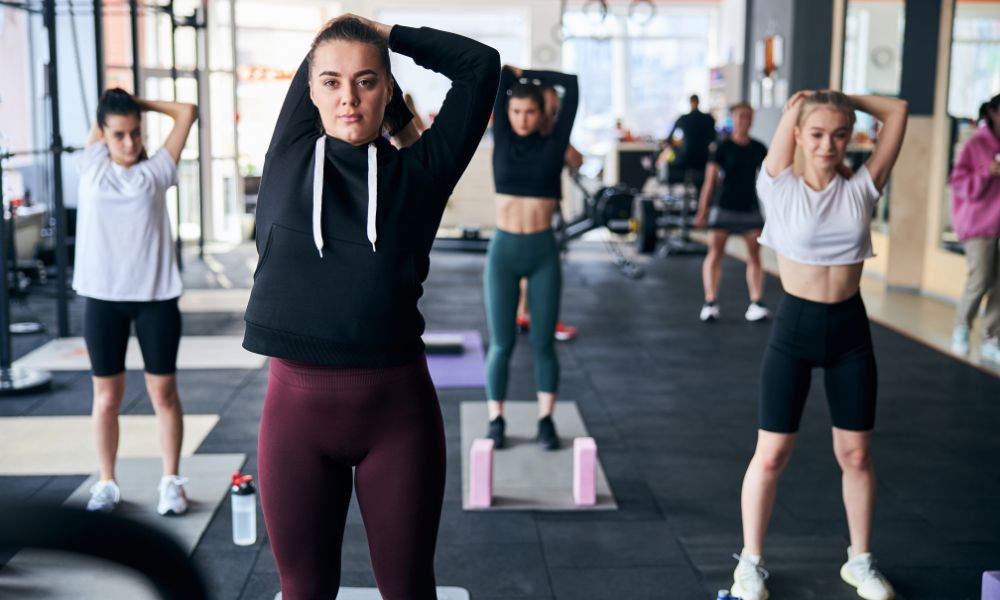
Before class, it’s essential to do proper stretching. This helps prevent injuries and prepares your muscles for the workout.
It also improves flexibility and range of motion,
allowing you to perform better during the spin class.
Stretching can also help with muscle recovery after the intense workout, ensuring that you feel less sore afterward.
Arrive early before your spin class starts to dedicate time for stretching. Focus on stretching major muscle groups used during cycling, such as hamstrings, quadriceps, calves, and lower back.
Proper nutrition for fuel
Proper nutrition is essential to fuel our bodies for a successful spin class. Eating a balanced meal with carbohydrates, protein, and healthy fats about 2-3 hours before the class can provide sustained energy.
It’s important to stay hydrated by drinking water before, during, and after the workout to maintain peak performance. Consuming a small snack such as a banana or yogurt 30 minutes before can also help sustain energy levels throughout the session.
Remember that good nutrition supports your body in achieving its full potential during spinning workouts.
Arrive early for a relaxed start
Arriving early is crucial for a good start. Getting in some stretching time before the class can prevent injuries and improve your overall performance. It’s also a great opportunity to calmly prepare mentally for the workout, helping you get into the right headspace.
Additionally, arriving early allows you to familiarise yourself with the bike and set it up correctly – ensuring a more comfortable ride. This small adjustment can make a big difference in how well you perform during your spin session.
Furthermore, giving yourself ample pre-class time can help reduce any anxiety or stress about being on time, allowing you to approach the class feeling calm and collected. This mindset will carry on throughout the workout, helping you stay focused on pushing yourself further than before.
Remembering these simple tips will set you up for success as soon as you arrive at your next spin class.
Adjust saddle height
To optimise your spinning workout, it’s crucial to adjust the saddle height correctly. A proper saddle height helps in preventing strain on the knees and promotes an efficient pedal stroke.
When setting the height, make sure that your leg is slightly bent at the bottom of the pedal stroke, with your foot parallel to the floor. This position allows for maximum power transfer and minimises potential injuries.
Now let’s delve into another important technique – Proper stretching before class.
Focus on maintaining good posture
After adjusting saddle height, the next key to a successful spin class is maintaining good posture. Proper alignment of your body helps distribute the workload evenly, preventing unnecessary strain on any one area.
Keep your shoulders relaxed and back straight, engaging your core muscles for stability. This not only maximises the effectiveness of your workout but also reduces the risk of injury.
Engaging glutes and core muscles during cycling aids in maintaining proper posture and ensures that you’re getting the most out of each pedal stroke. It’s essential to remember that good posture isn’t just about aesthetics; it significantly impacts your performance and overall experience in a spin class.
Engage glutes and core muscles
To maximise our spinning workout and promote proper form, it’s crucial to engage our glutes and core muscles. This engagement not only enhances stability but also helps in generating power during sprints and climbs.
By activating these muscle groups, we can improve overall performance while reducing the risk of injury. Additionally, maintaining a strong core supports better posture and alignment, allowing for a more efficient pedal stroke.
Moving forward to “Balance between pushing and pulling” let’s explore how this technique can further elevate our spin class experience.
Balance between pushing and pulling
To maintain a strong and effective spin class performance, it’s essential to find the perfect balance between pushing and pulling during your workout. By engaging both your glutes and core muscles, you can ensure that you’re distributing the effort across the appropriate muscle groups, maximising your workout without causing unnecessary strain on any specific area of your body.
This balanced approach empowers you to maintain proper form and posture throughout the entire session while efficiently building strength and endurance.
Finding this equilibrium not only optimises your spinning workout for better results but also reduces the risk of injuries by evenly distributing the workload across different muscle groups in a controlled manner.
Adjust resistance for optimal intensity
Finding the right balance between pushing and pulling during your spinning workout is crucial for an effective session. It’s important to adjust the resistance on your spin bike to optimise the intensity of your workout.
By doing this, you can challenge yourself and build strength while avoiding injury. Properly adjusting resistance also helps maintain the rhythm of your pedalling, ensuring a smoother and more productive ride that maximises muscle engagement.
Engaging in optimum resistance levels during your spinning workout not only maximises its effectiveness but also prevents potential injuries. By striking the right balance between ease and difficulty, you’ll make significant progress towards achieving your fitness goals efficiently and safely.
Stay on beat with the music
Staying on beat with the music in a spin class is not just about enjoyment, it’s also crucial for an effective workout. Not only does riding to the rhythm improve your cadence and overall performance, but it also adds a fun element to the session.
Engaging with music can boost motivation and make the workout feel less like work. When you tap into the beat, your body naturally falls into a steady pace that helps you maintain intensity throughout your ride.
Riding in sync with the music can elevate your spinning experience, making every pedal stroke feel purposeful and keeping your energy levels high. It’s important to allow yourself to get carried away by the music while still focusing on maintaining proper form and technique.
Cool down after class
After a high-intensity spin class, it’s crucial to cool down properly. Start by pedalling at an easy pace for 5-10 minutes as this gradually decreases your heart rate and prevents dizziness.
Focus on deep breathing to help your body relax and return to its normal state. Stretching is also essential – target your major muscle groups with gentle stretches, holding each for 15-30 seconds.
This aids in reducing muscle tension and preventing soreness. Hydrating after the workout helps in replenishing lost fluids and aids the recovery process.
Maintaining these post-spinning routines will help you finish on a positive note, promoting a sense of accomplishment while aiding in faster recovery for your next session.
Enlist Now and Learn 10 Positive Spin Techniques!
To sum up, we’ve covered essential spin bike techniques for success. These practical tips are easy to implement and efficient. How can you apply these strategies in your next spin class? Consider the impact of using proper form and maximising your workout.
Remember, success is within reach with the right approach. Explore further resources for continued learning on spinning techniques. Now go out there and conquer that spin class!